What is fanfiction, and how do I get into it?
In which you, a curious newcomer, wander into a century-old storytelling tradition, learn what "AU" means, and never look at your favorite show the same way again. Slow burn. Happy ending guaranteed.
In which you, a curious newcomer, wander into a century-old storytelling tradition, learn what "AU" means, and never look at your favorite show the same way again. Slow burn. Happy ending guaranteed.
 Chapter 1
Where fic lives: AO3, Wattpad, FanFiction.net and beyond, and which one fits how you like to read.
 Chapter 2
Step-by-step: from a first draft to hitting "Post", plus the tools writers actually use and trust.
 Chapter 3
Why fandom runs on consent and credit, why it resists censorship, and why most of it says no to generative AI.
 Chapter 6
The "drama doc" phenomenon: why internet callouts became anonymous Google Docs, and why they're moving to ddocs.new.
Fanfiction (or "fic") is fiction written by fans about existing characters, worlds, or real public figures, shared freely with other fans rather than sold. A fic might imagine what happened between scenes of a TV show, give a doomed character a happier ending, or drop two rivals from a video game into a coffee shop in present-day Chicago just to see what happens.
It is not a niche hobby. Archive of Our Own alone hosts nearly 18 million works and has won a Hugo Award; Wattpad reports tens of millions of monthly users. Some of the most-read stories on the internet are fanfiction, and plenty of professional novelists, from Naomi Novik to Cassandra Clare, started in fandom.
Two things make fanfiction different from most writing you've encountered. First, it's a gift economy: writers post for free, readers pay in comments and kudos, and selling fic is a community taboo (and a legal gray area). Second, it's unashamedly specific. The tagging systems fans built let you search for exactly the story you're craving, whether a 100,000-word enemies-to-lovers epic or 800 words of two characters doing laundry.
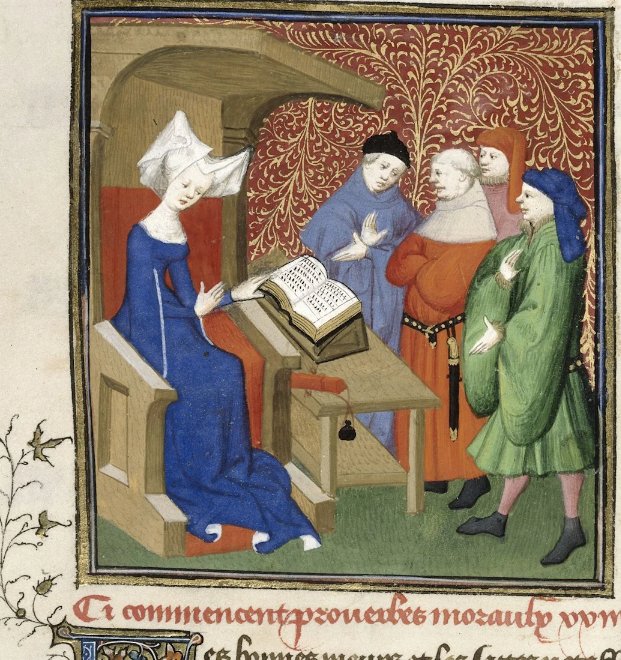
Fans have always retold stories. Sherlock Holmes pastiches were circulating in the 1890s, but modern fandom traces its lineage to the 1960s, when Star Trek fans typed stories into photocopied zines and mailed them to each other. The internet moved fic to mailing lists and GeoCities pages in the 90s; FanFiction.net opened in 1998 and became the first mega-archive.
The 2000s taught fandom a hard lesson: platforms it didn't own kept deleting its work. FanFiction.net purged adult-rated fic in 2002 and again in 2012. LiveJournal's 2007 "Strikethrough" mass-suspended fandom communities overnight. In response, fans did something remarkable. They built their own home. The nonprofit Organization for Transformative Works launched Archive of Our Own (AO3) in 2008: fan-run, donation-funded, ad-free, and designed never to be sold. That history explains a lot about how the community behaves today, and it's covered properly in the community values guide.
Every one posted free, hosted by a volunteer-run nonprofit.
With roughly a quarter of a million new accounts a month in 2026, and you don't need one to read.
AO3's record, set the first week of 2026. About 125 million a day.
Readers paying writers in the community's only currency, December 2025.
In a 2026 study of 500,000+ ChatGPT conversations, fanfiction was the largest fiction category. The hunger for fic outruns even fandom. (Why the community minds: chapter 5.)
Roughly one in six conversations in the same half-million-chat dataset was someone asking for fanfiction.
The Fifty Shades trilogy began as Twilight fanfiction; After (One Direction fic) spawned five films of its own.
Fans have been mailing, printing, and typing fic to each other for six decades.